Construction Site Safety Guide 2026: Why Safety Cages, Guardrails and Fall Protection Are Necessary. Construction sites are dynamic workplaces where workers may be exposed to working-at-height hazards, falling objects, open edges, temporary structures, moving equipment, and uneven working surfaces. As construction projects become taller and more complex, proper safety planning and reliable fall-protection systems are increasingly important.
A comprehensive construction site safety plan should include appropriate guardrails, safety cages, edge protection, access systems, personal protective equipment (PPE), and other fall-protection measures based on the specific risks of the project.
For contractors and builders in India, selecting the right safety equipment is not only about protecting workers. It can also help improve site organization, reduce interruptions, and support safer project execution.
In this Construction Site Safety Guide 2026, we explain the importance of safety cages, guardrails, and fall-protection systems and how Tejus Construction Equipment supports safer construction projects.
Construction Site Safety Is Important in 2026(Construction Site Safety Guide 2026)
Construction safety should be considered from the planning stage through project completion. A well-organized safety system helps identify hazards before workers are exposed to them.
Common Hazards on Construction Sites
Falls from Height
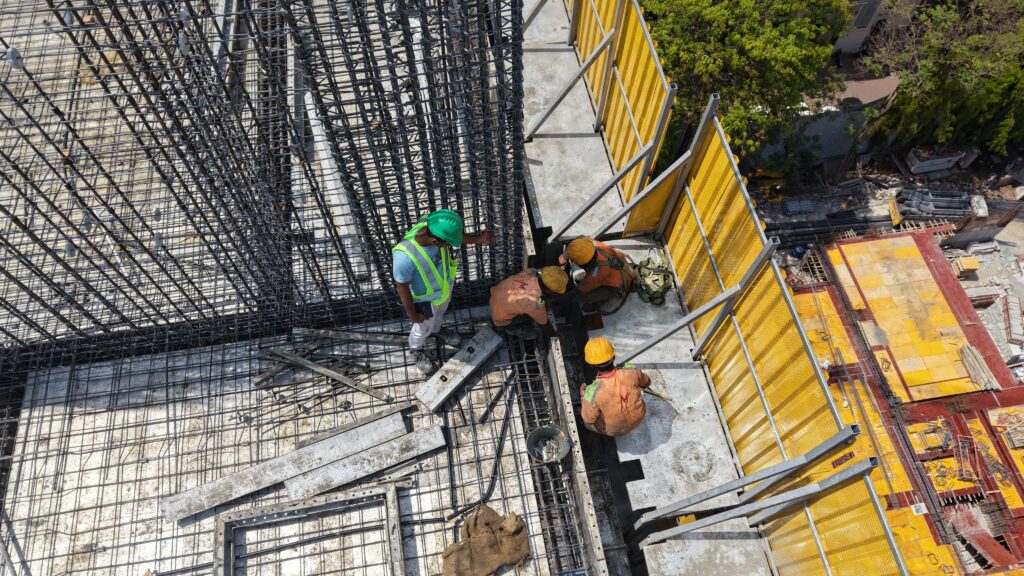
Working on slabs, scaffolding, platforms, roofs, formwork, and building edges can create serious fall hazards.
Falling Objects and Materials
Tools, construction materials, debris, and other objects can fall from elevated working areas and potentially injure workers or people below.
Open Edges and Floor Openings
Unprotected slab edges, stair openings, shafts, and other openings require suitable protection.
Unsafe Access and Working Platforms
Improper access systems or poorly arranged working platforms can increase the risk of slips, trips, and falls.
What Is Fall Protection in Construction?
Fall protection refers to systems, equipment, and procedures designed to protect workers from falling from elevated work areas.
Depending on the work environment and risk assessment, fall protection can include guardrails, safety barriers, safety screens, personal fall-arrest systems, safe access systems, and other engineered controls.
Preventing Falls Before They Happen
The best approach is to identify and control fall hazards before work begins.
Engineering Controls
Physical protection such as guardrails, barriers, platforms, and safety screens can provide protection without requiring workers to constantly rely on personal equipment.
Personal Fall Protection
Where collective protection cannot adequately control a hazard, suitable personal fall-protection equipment may be required according to the project’s safety assessment and applicable requirements.
Safety Cages Necessary? – Construction Site Safety Guide 2026
Safety cages and enclosed protection systems can provide an additional layer of protection around certain construction activities and access areas.
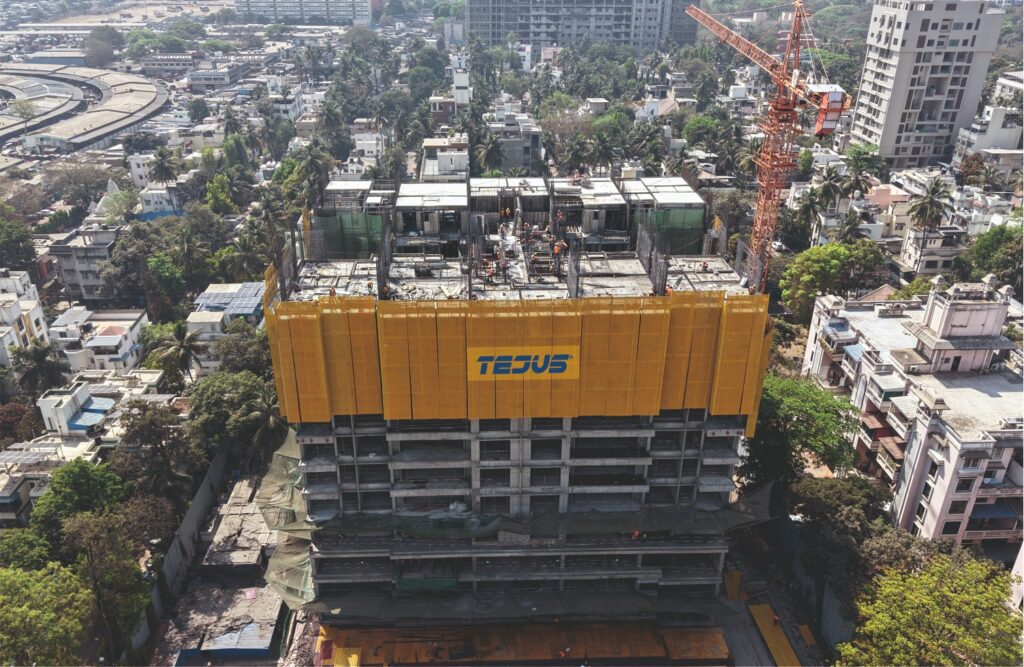
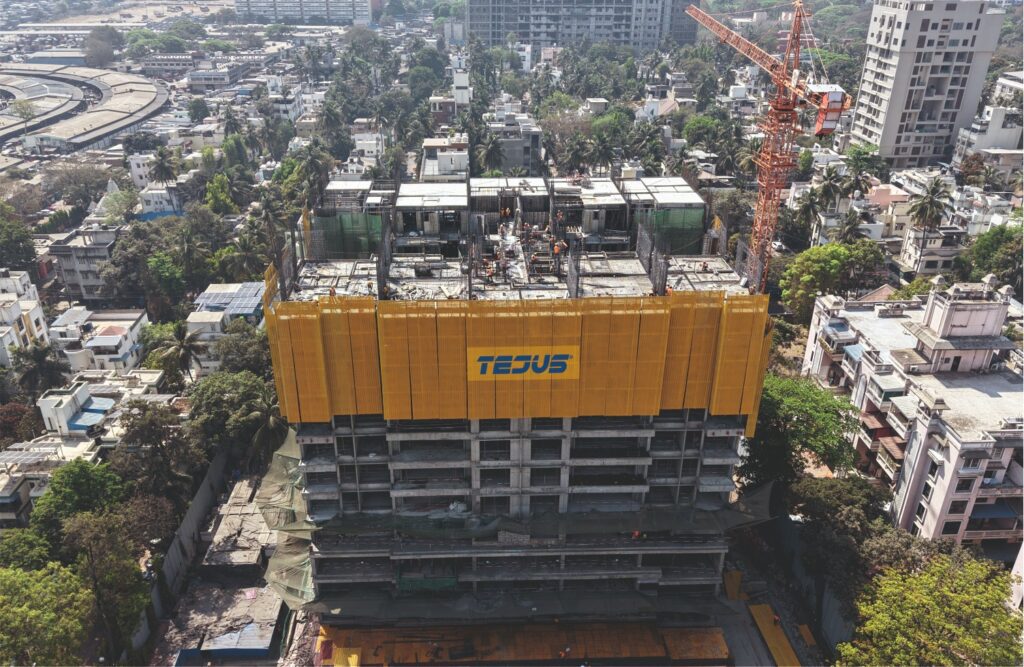
For high-rise projects, appropriately designed safety systems can help separate workers and materials from exposed edges and surrounding areas.
Protection Around High-Rise Construction
Reducing Exposure to Falling Debris
A suitable safety enclosure or screen can help contain construction debris and provide a controlled working environment.
Protecting Workers at Height
Safety systems can create a more controlled working zone around elevated construction activities.
Protecting People and Property Below
High-rise construction takes place near roads, neighboring buildings, workers, and the public. Proper protection helps reduce exposure to falling materials.
What Are Guardrails and Why Are They Important?
Guardrails are physical barriers installed around exposed edges and other areas where workers could fall.
They are an important part of collective fall protection because they provide protection to multiple workers in a working area.
Where Are Guardrails Used?
Building Slab Edges
Guardrails can help protect workers around exposed slab perimeters during construction.
Roof and Elevated Work Areas
Suitable edge protection can help control fall hazards around elevated areas.
Stairways and Openings
Temporary protection may be required around stair openings, shafts, and other construction hazards.
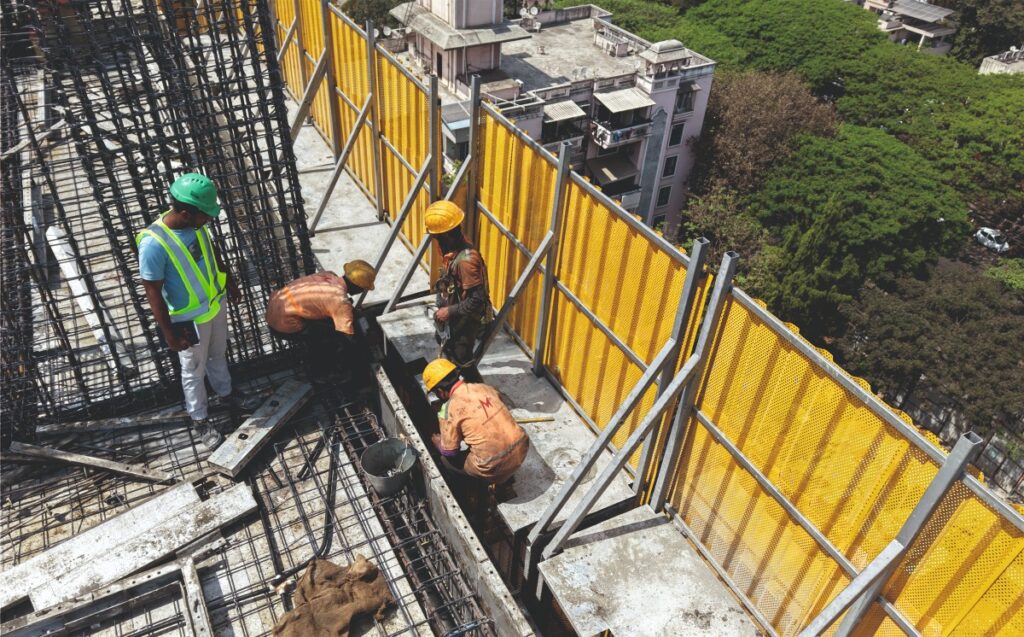
Safety Cages vs Guardrails: What Is the Difference?
Safety cages and guardrails both contribute to construction safety, but they serve different purposes.
Guardrails
Guardrails are primarily used to provide edge protection and prevent workers from accidentally reaching or falling over exposed edges.
Main Purpose
- Protect exposed edges
- Create a physical barrier
- Improve work-zone safety
- Provide collective protection
Safety Cages and Safety Screens
Safety cages or screen systems can provide a more extensive enclosure around construction areas, particularly on high-rise projects.
Main Purpose
- Protect elevated working zones
- Help control falling debris
- Improve site containment
- Provide additional protection around high-rise construction activities
Scaffolding and Fall Protection Must Work Together
Scaffolding provides workers with access and working platforms, but scaffolding itself must be properly designed, erected, inspected, and used.
Fall protection should be considered as part of the overall site safety system.
Safe Scaffolding Practices
Proper Assembly
Scaffolding should be assembled according to the manufacturer’s requirements and the project’s engineering and safety requirements.
Stable Working Platforms
Working platforms should be properly arranged and maintained to reduce risks.
Safe Access
Workers should have appropriate access to and from elevated work areas.
Edge Protection
Where required, suitable guardrails and other protective measures should be provided.
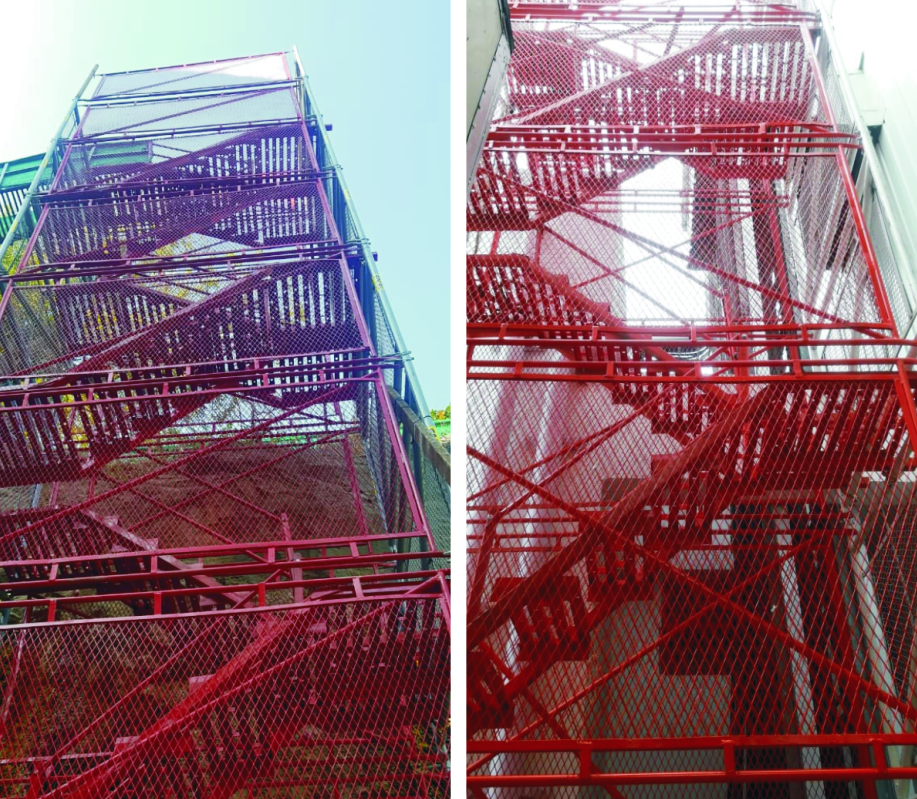
Personal Protective Equipment (PPE) Is Also Essential
Engineering controls and collective protection should be supported by appropriate PPE and safe working procedures.
Essential PPE on Construction Sites
Safety Helmet
Protects the head from potential impact and falling objects.
Safety Shoes
Provide protection against impact, punctures, slips, and other site hazards.
High-Visibility Clothing
Helps workers remain visible in busy construction environments.
Fall-Arrest Equipment
Where required, suitable personal fall-protection equipment should be selected, inspected, and used according to the applicable safety procedure.
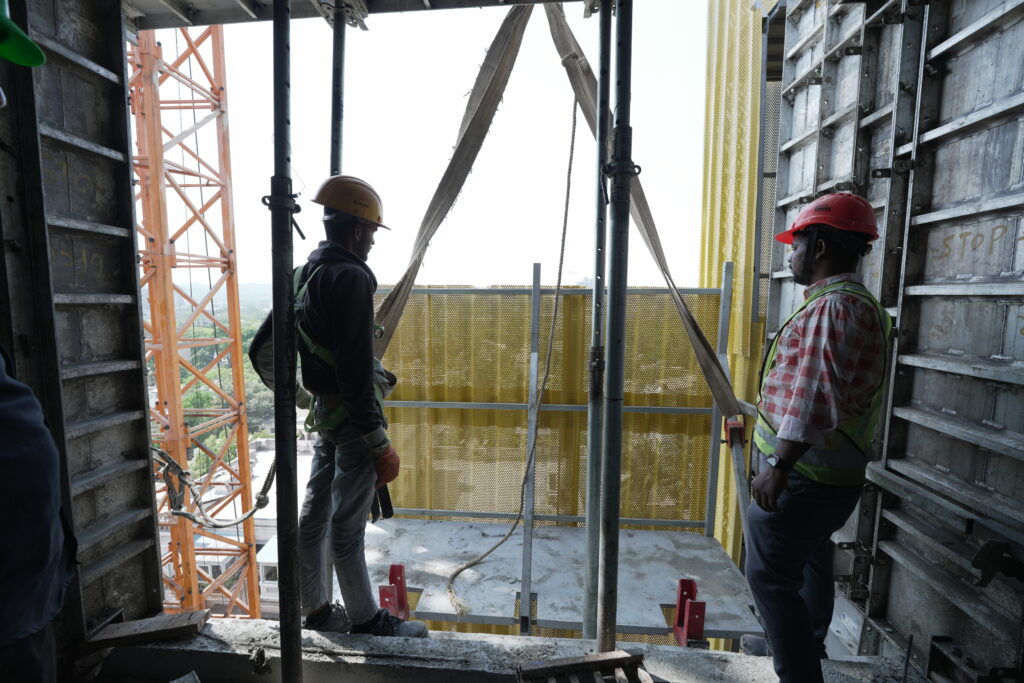
How Safety Systems Improve Construction Site Productivity
Safety is not simply an additional project expense. A well-planned safety system can contribute to better project organization.
Fewer Work Interruptions
Better risk control can help reduce incidents and unexpected work stoppages.
Better Site Organization
Clearly defined working zones and protective systems can improve site discipline.
Greater Worker Confidence
Workers are more likely to work effectively when appropriate safety measures are visibly implemented.
Better Project Reputation
A professionally managed site demonstrates a strong commitment to worker and public safety.
Construction Safety Solutions
Tejus Construction Equipment provides construction solutions covering scaffolding, safety systems, formwork, and construction equipment.
Tejus Scaffolding Systems
Tejus manufactures and supplies scaffolding systems such as H-Frame and Cuplock, along with related scaffolding accessories and support systems.
H-Frame Scaffolding
Suitable for a range of building construction applications where properly planned access and working platforms are required.
Cuplock Scaffolding
A modular scaffolding system suitable for applications requiring flexibility and structured connections.
Tejus X-Ternal Safety Screen
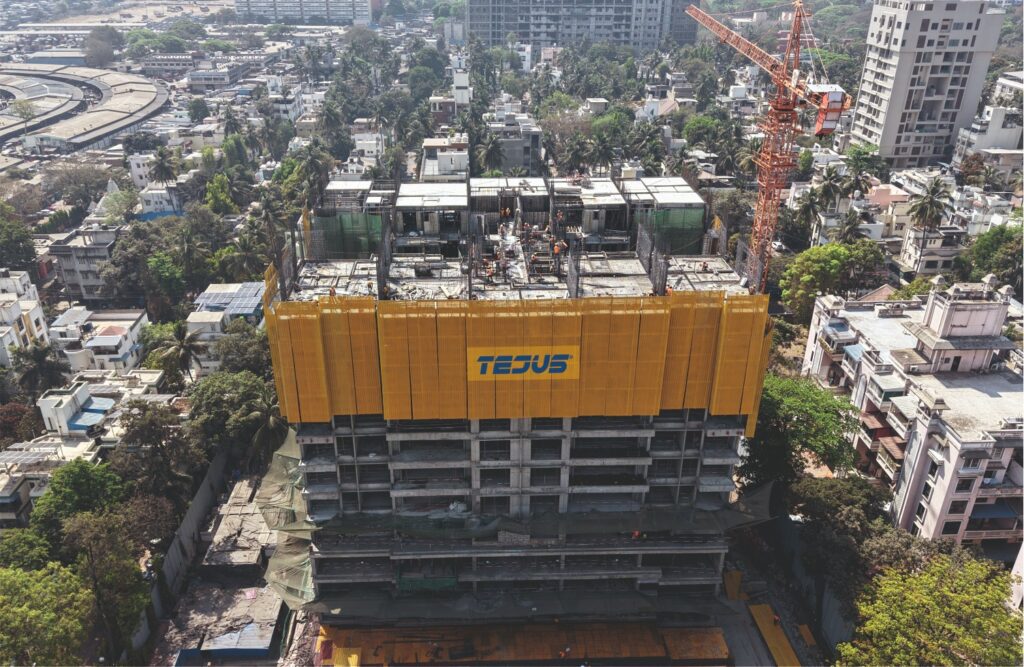
For high-rise construction, Tejus offers the X-Ternal Safety Screen, designed as an engineered protection system for elevated construction activities.
High-Rise Protection
The system provides an enclosed working environment around selected construction levels.
Debris Control
The protective enclosure helps reduce exposure to falling materials and debris.
Self-Climbing / Lifting System
Depending on the project configuration, the system can be moved upward as construction progresses.
Construction Site Safety Checklist for 2026
Before starting construction activities, contractors and site teams should review the project’s specific hazards and safety requirements.
Basic Safety Checklist
Working at Height
- Identify all fall hazards.
- Provide suitable edge protection.
- Ensure safe access to elevated work areas.
- Use appropriate fall-protection systems where required.
Scaffolding
- Use suitable scaffolding for the application.
- Ensure proper erection and inspection.
- Maintain stable working platforms.
- Provide appropriate access and protection.
High-Rise Construction
- Assess falling-object hazards.
- Consider suitable safety screens or containment systems.
- Protect areas below and around the building.
- Keep workers and materials within controlled work zones.
PPE
- Safety helmets
- Safety footwear
- High-visibility clothing
- Suitable fall-protection equipment where required
Choose Tejus for Construction Safety Solutions?
Choosing the right manufacturer and supplier is an important part of construction procurement.
Complete Construction Equipment Range
Tejus provides solutions across:
Scaffolding
H-Frame, Cuplock and related scaffolding systems.
Safety Systems
X-Ternal Safety Screen and related safety solutions.
Construction Equipment
Construction machinery, equipment and accessories for different project requirements.
Manufacturing and Supply Experience
Tejus has been serving the construction industry since 1998, building experience across scaffolding, formwork, safety systems, and construction equipment.
Conclusion: Safety Should Be Designed Into Every Construction Project
Construction safety in 2026 requires more than simply providing PPE. A comprehensive approach combines safe planning, engineering controls, scaffolding, guardrails, safety screens, access systems, fall protection, inspections, and worker training.
Safety cages, guardrails and fall-protection systems each have different roles, and the appropriate solution should be selected based on the project’s specific hazards, design and applicable requirements.
For contractors, builders and developers looking for scaffolding, safety screens and construction equipment, Tejus provides a complete range of solutions to support safer and more efficient construction projects.Tejus Construction Equipment — Delivering Quality Since 1998.
Contact Tejus Construction Equipment
Looking for scaffolding, safety screens or construction equipment for your next project?
Website: www.tejus.co.in
Contact: 8888887688