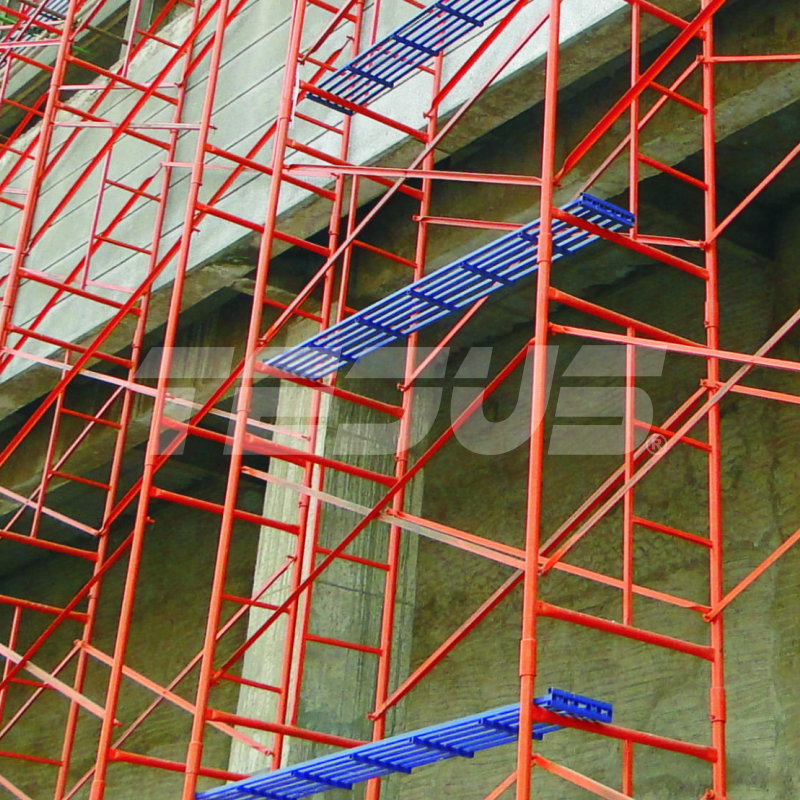
Scaffolding Maintenance Checklist 2026: A Complete Guide to Inspection, Safety and Equipment Care.
Scaffolding is an essential part of modern construction projects. It provides temporary access and working platforms for workers performing activities such as masonry, plastering, painting, installation, maintenance and other work at height.
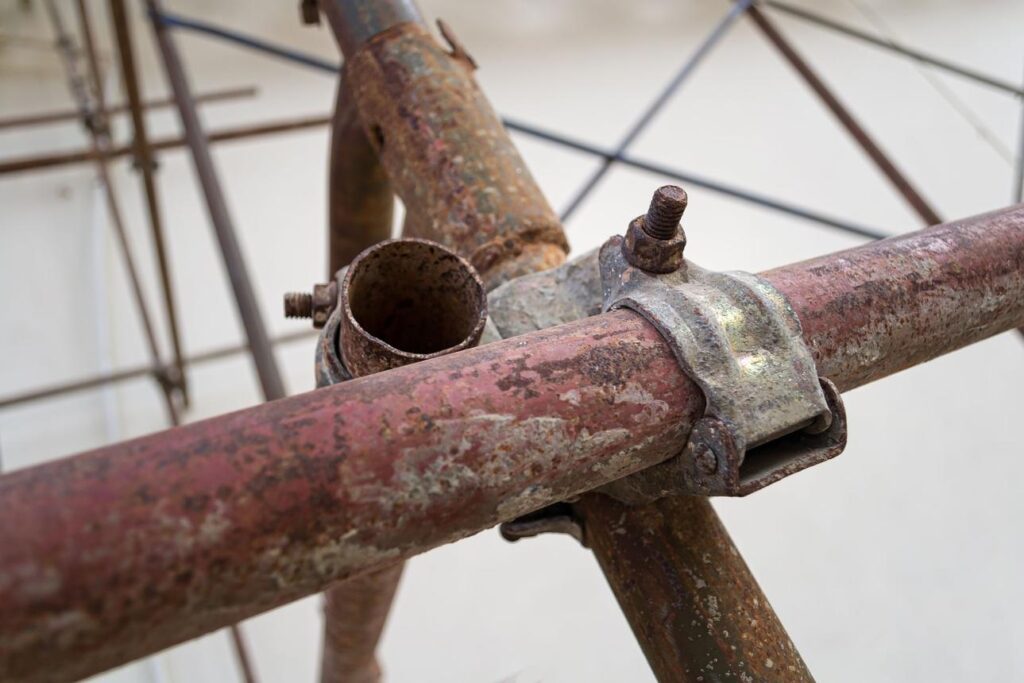
However, scaffolding equipment is frequently exposed to challenging site conditions, including rain, dust, moisture, cement residue, improper handling and heavy usage. Over time, these factors can cause corrosion, deformation and damage to scaffolding components.
Regular scaffolding maintenance is essential for maintaining equipment condition, supporting safe working conditions and protecting your investment.
Whether you use H-Frame Scaffolding, Cuplock Scaffolding, steel pipes, couplers, adjustable props or other scaffolding accessories, following a proper maintenance checklist can help identify defects early and reduce premature equipment deterioration.
In this guide, we will explain how to inspect scaffolding, clean steel components, prevent rust, store equipment properly and maintain scaffolding for long-term use.
You Will Learn in This Guide
- Importance of scaffolding maintenance
- Daily, weekly and periodic inspection checklists
- H-Frame and Cuplock scaffolding maintenance
- Rust prevention and cleaning techniques
- Proper scaffolding storage and handling
- Identification of damaged components
- Scaffolding safety practices
- Equipment maintenance records
What Is Scaffolding Maintenance?
Scaffolding maintenance is the process of regularly inspecting, cleaning, servicing, repairing and storing scaffolding equipment to maintain its condition and suitability for use.
It involves checking all major components, including steel frames, standards, ledgers, braces, couplers, base plates, adjustable jacks, working platforms and connecting accessories. Proper maintenance helps identify defects before equipment is used on construction sites.
Why Is Scaffolding Maintenance Important?
Scaffolding maintenance plays an important role in construction site safety and equipment management.
Here are some major benefits:
- Improves Equipment Service Life: Regular cleaning, proper handling and suitable storage help reduce premature deterioration.
- Supports Site Safety: Inspection helps identify damaged, loose or defective components before use.
- Reduces Replacement Costs: Early identification of defects can prevent minor problems from developing into major equipment damage.
- Improves Equipment Performance: Properly maintained components are easier to assemble, dismantle and manage.
Protects Investment: Scaffolding is a valuable construction asset that requires proper care and management.
What Happens When Scaffolding Maintenance Is Ignored?
Ignoring scaffolding maintenance can lead to several problems:
- Rust and corrosion on steel components.
- Bent or damaged scaffolding pipes and frames.
- Cracks in welded joints and connections.
- Damaged couplers and locking mechanisms.
- Loose connections and missing components.
- Unsafe working platforms.
- Increased equipment repair and replacement costs.
Complete Scaffolding Maintenance Checklist 2026
A proper scaffolding maintenance checklist helps construction companies and equipment owners follow a systematic inspection process.
Scaffolding should be inspected before use, during operation as required, after changes or damage, and at intervals specified by applicable regulations and project safety procedures.
1. Daily Scaffolding Inspection Checklist
Before starting work, workers and responsible site personnel should check the visible condition of the scaffolding system.
Inspection Points
- Check steel frames and pipes for visible cracks or bending.
- Inspect couplers and connecting joints.
- Check cross braces and locking pins.
- Ensure base plates and base jacks are correctly positioned.
- Check working platforms for damage and secure installation.
- Inspect guardrails and toe boards.
- Check access ladders and stairways.
- Look for signs of ground settlement or waterlogging.
- Ensure scaffolding is not overloaded.
- Check for unauthorized modifications or missing components.
Important: Daily visual checks do not replace formal inspections by a competent person. Scaffolding must be inspected and approved according to applicable requirements before being released for use.
2. Weekly Scaffolding Maintenance Checklist
Weekly maintenance is a useful planned equipment-management activity. The actual inspection frequency must be based on applicable regulations, manufacturer instructions and site risk assessments.
Points
- Check steel components for rust and corrosion.
- Inspect welded joints and connection points.
- Check pipes and frames for deformation.
- Examine couplers, clamps and connectors.
- Inspect locking pins and mechanisms.
- Check platforms for cracks and excessive wear.
- Inspect adjustable props and base jacks.
- Check ties and bracing arrangements.
- Review previously reported defects.
- Update inspection and maintenance records.
3. Periodic Scaffolding Maintenance Checklist
Periodic maintenance involves a more detailed examination of scaffolding components and their overall condition.
Maintenance Points
- Inspect all components for structural damage.
- Identify severe corrosion or material deterioration.
- Check manufacturer specifications and maintenance requirements.
- Repair or replace damaged components using approved procedures.
- Check protective coatings where applicable.
- Review equipment inventory and maintenance history.
- Separate defective components from serviceable equipment.
- Obtain the required competent-person inspection before reuse.

H-Frame Scaffolding Maintenance Checklist
H-Frame Scaffolding is widely used in residential, commercial and industrial construction projects. Its prefabricated frame design makes it suitable for various access and working-platform applications.
Proper inspection of frames, cross braces, pins and supporting accessories is essential to maintain the system’s condition.
Important H-Frame Scaffolding Components to Inspect
1. H-Frames
- Check vertical and horizontal members for bending.
- Inspect welded joints for cracks.
- Look for excessive rust and corrosion.
- Check frame dimensions and connection points.
- Remove damaged frames from service.
2. Cross Braces
- Check braces for bending and deformation.
- Inspect connecting ends and locking points.
- Ensure locking pins are not missing.
- Check compatibility with the frame system.
3. Joint Pins and Connectors
- Check pins for damage and excessive wear.
- Ensure connectors fit correctly.
- Replace missing or defective pins with approved components.
- Never use improvised connections.
4. Base Plates and Base Jacks
- Inspect base plates for bending or cracks.
- Check adjustable jack threads for damage.
- Ensure the supporting surface is suitable.
- Check for excessive corrosion and deformation.
- Follow the manufacturer’s adjustment limits.
Best Maintenance Practices for H-Frame Scaffolding
- Remove cement, concrete and mud after use.
- Stack frames carefully to prevent bending.
- Store cross braces and pins in designated areas.
- Separate damaged frames from usable equipment.
- Avoid unauthorized welding, heating or straightening.
- Follow manufacturer-approved repair procedures.
Cuplock Scaffolding Maintenance Checklist
Cuplock Scaffolding is a modular steel scaffolding system that uses cup-and-blade locking connections to connect vertical standards with horizontal ledgers and transoms.
Regular inspection of its locking mechanism and connecting components is essential for proper equipment maintenance.
Important Cuplock Scaffolding Components to Inspect
1. Standards (Vertical Members)
- Inspect standards for bending and deformation.
- Check top and bottom connection points.
- Examine cup joints for cracks and excessive wear.
- Check for rust and corrosion.
2. Ledgers (Horizontal Members)
- Check ledger pipes for straightness.
- Inspect blade connections for damage.
- Examine welded joints.
- Check for corrosion and deformation.
3. Cups and Locking Mechanisms
- Inspect top and bottom cups.
- Check for cracks or deformation.
- Ensure locking mechanisms operate correctly.
- Avoid using damaged or jammed connections.
4. Transoms and Bracing
- Check transoms for bending and damage.
- Inspect bracing components.
- Check connection points and locking arrangements.
- Replace defective components as required.
Maintenance Practices for Cuplock Scaffolding
- Clean cups and connection points after use.
- Remove cement and concrete residue.
- Store standards and ledgers separately.
- Do not use damaged cup or blade connections.
- Use only compatible components.
- Follow manufacturer recommendations for maintenance and repairs.
How to Prevent Rust and Corrosion on Steel Scaffolding?
Rust and corrosion are common problems affecting steel scaffolding equipment, particularly when it is exposed to moisture, rain, chemicals and improper storage conditions. Without proper maintenance, corrosion can damage protective coatings and gradually reduce the condition of steel components.
Common Causes of Scaffolding Rust
- Continuous exposure to rainwater and moisture.
- Improper storage in wet areas.
- Cement and chemical residue on steel surfaces.
- Damaged protective coatings.
- Poor transportation and handling practices.
- Lack of regular inspection and cleaning.
Effective Rust Prevention Methods
1. Regular Cleaning
Clean steel components after use to remove mud, dust, cement and other contaminants.
2. Proper Drying
Allow components to dry completely before storage. Avoid leaving wet scaffolding in enclosed or poorly ventilated areas.
3. Protective Coating
Maintain suitable paint or protective coatings according to manufacturer recommendations. Avoid damaging galvanized surfaces through improper grinding or treatment.
4. Regular Rust Inspection
Pay special attention to weld joints, edges, connection points and areas where protective coatings have been damaged.
5. Remove Severely Corroded Components
Components showing deep corrosion, pitting, significant section loss or structural deterioration should be removed from service and assessed by a competent person.
Important: Painting over rust does not automatically make a damaged component safe for reuse. Its structural condition must be assessed
Cleaning and Proper Storage Guidelines for Scaffolding
Cleaning and storage are two important parts of scaffolding maintenance. Proper handling after dismantling can help prevent unnecessary damage and deterioration.
Cleaning Tips
- Remove dust, mud and cement residue.
- Clean oil and grease using suitable cleaning methods.
- Avoid aggressive cleaning methods that damage steel surfaces.
- Follow manufacturer instructions for chemical cleaners.
- Dry components before storage.
- Inspect components during the cleaning process.
Proper Scaffolding Storage Practices
1. Choose a Dry Storage Area
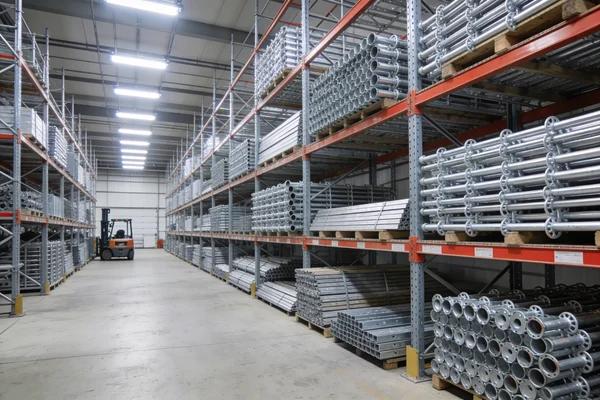
Store scaffolding in a clean, dry and well-organized area, preferably protected from direct exposure to rain.
2. Stack Components Properly
Arrange H-Frames, standards, ledgers, braces and pipes according to their size and type.
3. Avoid Direct Ground Contact
Use suitable racks or supports to prevent unnecessary contact with wet or muddy ground.
4. Separate Damaged Components
Keep damaged and defective components in a separate, clearly identified quarantine area.
5. Maintain Inventory Records
Track component quantities, condition, inspection dates, repairs and replacements.
Damaged Scaffolding Components – When to Repair or Replace?
Not every damaged scaffolding component can be repaired and reused. Identifying defective equipment early is essential for safe equipment management.
Common Scaffolding Component Defects
| Component | Common defects |
| Steel Pipes | Bending, dents, corrosion |
| H-Frames | Cracks, deformation, damaged welds |
| Cuplock Standards | Damaged cups, corrosion, cracks |
| Ledgers | Bent members, damaged blades |
| Couplers | Cracks, damaged threads, deformation |
| Base Jacks | Damaged threads, bent plates |
| Platforms | Cracks, excessive wear, loose fittings |
| Cross Braces | Bending and damaged locking points |
What Should You Do With Damaged Components?
Repair
Repair should only be carried out using approved procedures and after assessment by a competent person.
Replace
Replacement may be necessary for components with:
- Severe corrosion or section loss.
- Structural cracks.
- Excessive bending or deformation.
- Damaged locking mechanisms.
- Serious weld damage.
- Defects that cannot be safely repaired.
Quarantine Immediately separate defective or questionable components from usable equipment. Attach a clear warning tag and prevent unauthorized reuse until an appropriate decision is made.
10 Best Practices to Increase Scaffolding Service Life
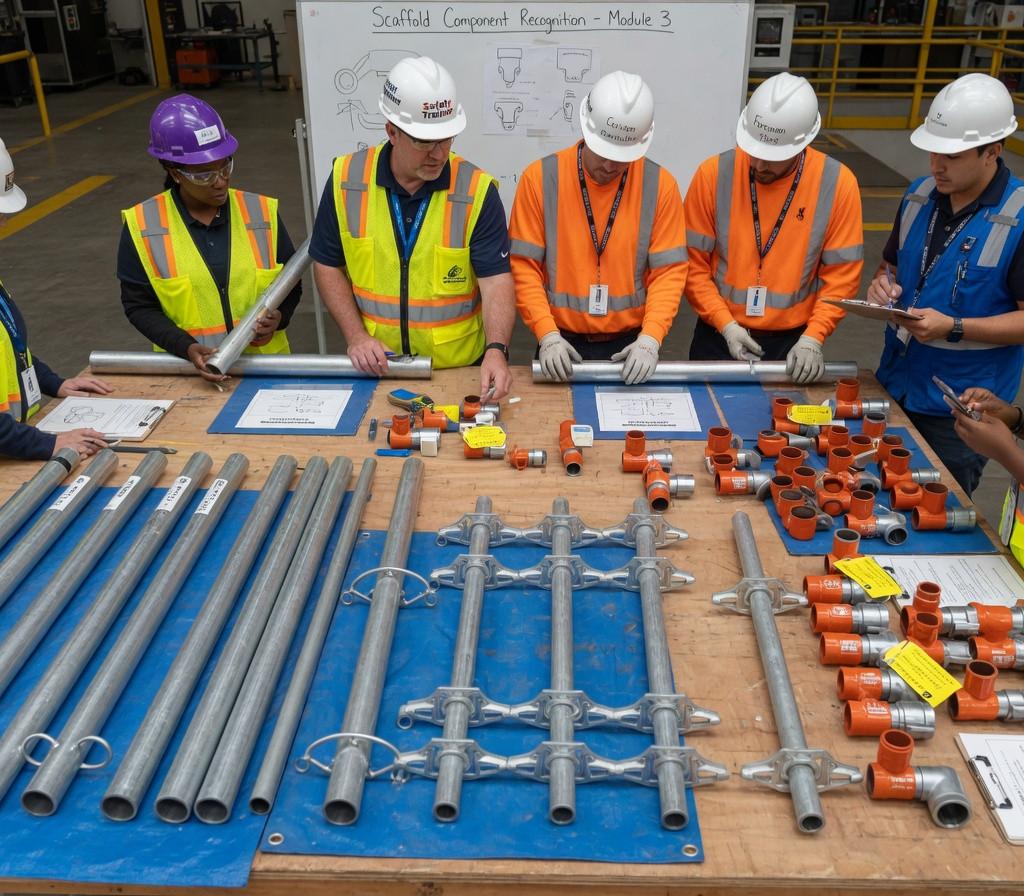
Following proper maintenance practices can help construction companies and equipment owners reduce premature damage and improve equipment management.
Top 10 Scaffolding Maintenance Tips
- Conduct visual checks before equipment use.
- Clean scaffolding components after dismantling.
- Avoid storing equipment in wet or waterlogged areas.
- Inspect steel frames and pipes for bending.
- Check couplers, pins and locking connections regularly.
- Maintain protective coatings according to manufacturer recommendations.
- Handle equipment carefully during loading and unloading.
- Store damaged components separately.
- Maintain proper inspection and repair records.
Ensure erection, modification and dismantling are carried out by competent personnel.
Maintenance Tips for Purchased and Rental Scaffolding
Whether scaffolding is purchased or rented, proper maintenance is necessary.
For Equipment Owners: Maintain inventory records, regular inspections and suitable storage facilities.
For Rental Companies: Inspect returned equipment, identify damage, clean components and check their condition before the next dispatch.
For Contractors: Verify equipment condition, compatibility and required inspection documentation before accepting scaffolding for site use.
How to Maintain Scaffolding Inspection and Maintenance Records?
Inspection alone is not enough. Maintaining written records helps track equipment condition, previous defects, repairs and replacement history.
Main Details in a Scaffolding Maintenance Register
| Details | Information to Record |
| Equipment Name | H-Frame / Cuplock / Pipes |
| Component ID | Unique identification number |
| Inspection Date | Date of inspection |
| Inspected By | Responsible person’s name |
| Component Condition | Good / Damaged / Under Review |
| Defects Found | Details of identified defects |
| Corrective Action | Repair / Replace / Quarantine |
| Next Inspection | Scheduled inspection date |
| Approval | Competent person auth |
Scaffolding Inspection Tag System

A visible scaffolding tag system can help communicate the inspection status of scaffolding at construction sites.
- Green Tag: Inspected and released for use under the stated conditions.
- Yellow Tag: Special restrictions or conditions apply; use only when specifically authorized.
- Red Tag: Unsafe or incomplete – do not use.
The tag system is a supplementary communication tool and does not replace formal inspection records or competent-person approval.
Important Scaffolding Safety Rules During Maintenance
Maintenance work also involves safety risks. Workers must follow appropriate safety procedures while inspecting, cleaning, repairing and handling scaffolding components.
Essential Safety Rules
- Wear appropriate PPE, including safety helmets, gloves and safety shoes.
- Restrict unauthorized access to maintenance areas.
- Use suitable fall protection when working at height.
- Never modify scaffolding without proper authorization.
- Do not use damaged or defective components.
- Use manufacturer-approved replacement parts.
- Maintain safe distances from electrical hazards.
- Follow proper lifting and handling procedures.
- Obtain required inspection approval before returning equipment to service.
Indian Standards and Scaffolding Safety Requirements
For scaffolding maintenance and safety in India, relevant Indian Standards and applicable site regulations should be considered.
Some important references include:
- IS 3696: Safety code for scaffolds and ladders.
- IS 4014: Code of practice for steel tubular scaffolding.
- IS 2750: Specification for steel scaffoldings.
The applicable edition, amendments, project specifications and other relevant safety regulations should be verified before implementation.
Safety Note: Inspection frequency depends on the applicable regulations, site risk assessment, manufacturer requirements and project conditions. For example, UK HSE guidance recommends inspection before first use, at intervals not exceeding seven days and after events that could affect safety. US OSHA construction rules require inspection by a competent person before each work shift and after events that could affect structural integrity. These are international references, not substitutes for applicable Indian legal requirements.
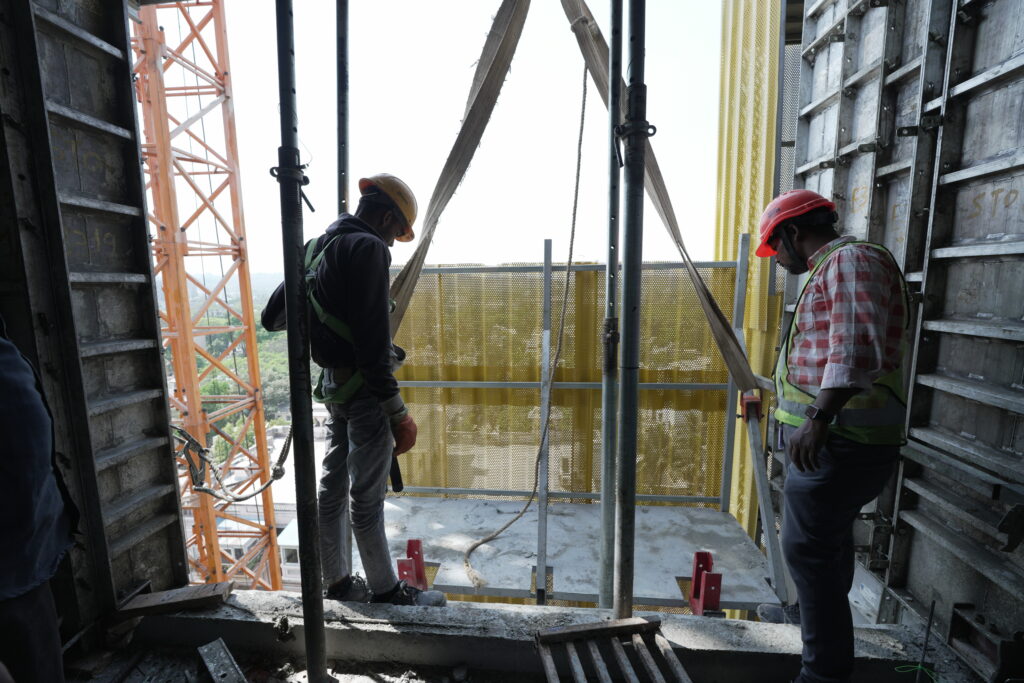
Quality Equipment and Proper Maintenance – Tejus Scaffolding
Tejus Centering & Construction Equipment Pvt. Ltd. is a Pune, Maharashtra-based company operating in the scaffolding, formwork and construction equipment industry. With a focus on construction equipment solutions since 1998, Tejus offers products and services for different construction project requirements.
Product Categories of Tejus
- H-Frame Scaffolding
- Cuplock Scaffolding
- Scaffolding Accessories
- Steel Pipes and Couplers
- Adjustable Steel Props
- Formwork Systems
- Safety Cage and X-ternal Safety Screen
- Construction Equipment
Quality Equipment and Regular Maintenance Go Hand in Hand
Choosing suitable scaffolding equipment is only the first step. Regular inspection, proper cleaning, safe handling and organized storage are equally important for maintaining equipment condition.
For your construction project, choose appropriate scaffolding equipment and follow the manufacturer’s maintenance recommendations.
Contact Tejus for scaffolding, formwork and construction equipment requirements.
Tejus Scaffolding
Delivering Quality Since 1998
Scaffolding | Formwork | Construction Equipment
www.tejus.co.in
8888887688
For product details, sales, rental services and project enquiries, contact the Tejus team.